

Relationships are everything. This applies to every corner of life, from friendships to business partnerships, and it’s especially true in manufacturing. Whether it’s a customer-supplier relationship or the bond between shop owners and employees, trust in manufacturing is the foundation of success.
Even the best processes and machines can only take you so far. Without trust and honesty, the “big three” expectations of our industry—timeliness, quality, and price—fall flat. Because, at the end of the day, people drive our industry forward.
What Makes a Solid Customer-Supplier Relationship?
When asked what defines a good supplier, most buyers would include a few common traits on their list:
- Reliable quality
- Competitive pricing
- On-time delivery
While these are critical, they’re also the expectation and baseline. What really sets strong relationships apart is communication rooted in honesty and trust.
The main differentiator: Honest, upfront communication
A defining moment that separates a just-okay supplier from a great one isn’t simply based on their successes; it’s how they react when things go wrong.
Too often, manufacturers lean on the assumption that “no news is good news,” and that can pose a problem for manufacturing professionals who put off communicating issues to their customers. If your customer expects everything to be on track but learns too late that it’s not, the relationship is in serious jeopardy. Buyers need to know when something goes wrong so they can plan accordingly. And while delivering bad news isn’t fun, withholding it is much worse.
A simple update, even if it’s not the news you’re looking forward to sharing, gives customers the opportunity to pivot and adjust schedules. A quick phone call or email might not solve the issue immediately, but in most cases, they’ll thank you for the upfront communication. This is the make-or-break moment for a buyer’s trust in manufacturing partners, as honesty builds long-term confidence.
Trust Inside the Shop: Culture Is King
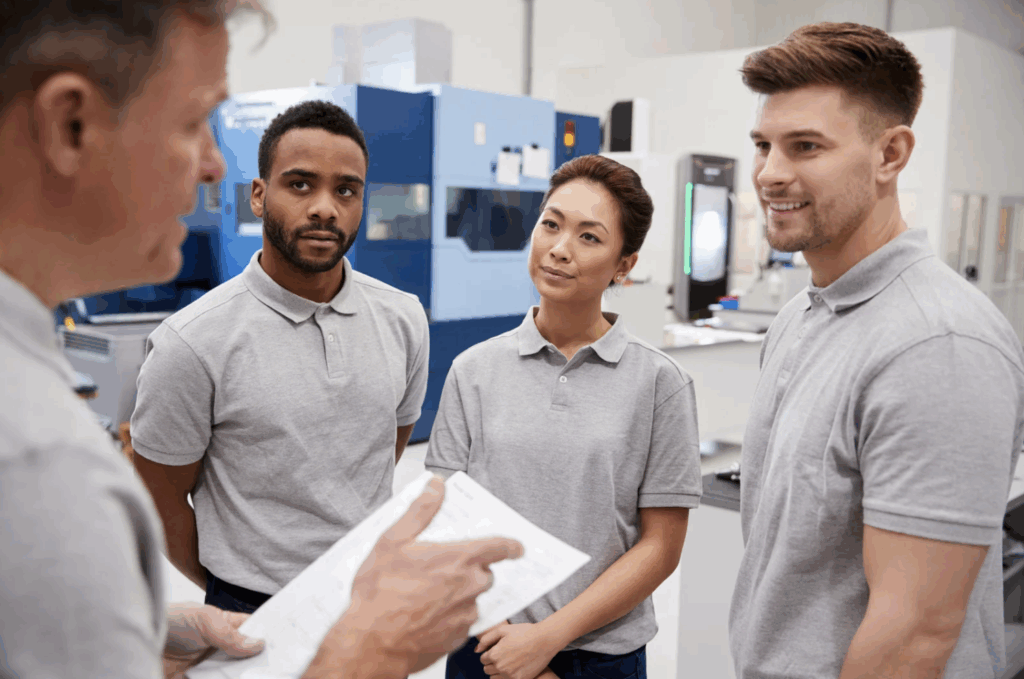
Trust isn’t only imperative for external relationships; it’s just as important inside the four walls of your shop. In fact, your shop culture may be the most critical factor in building and maintaining a sustainable workforce. Modern CNC machine shops need more than the latest tools and equipment to thrive; they need engaged, motivated people.
Employees today expect more than just a paycheck. They’re looking for a workplace where care and communication are priorities. Factors such as machining safety and respect all play a role in building a positive culture, but they’re just scratching the surface. The shops that truly succeed are those where employees feel valued not only for their output but also as individuals.
Shop culture drives performance
Machine shop management requires understanding what motivates your team. When people know their leaders genuinely care about them, they’re more likely to invest in the company’s success. This creates a cycle of trust: employees trust leadership, leadership trusts employees, and together, the business thrives!
From our perspective here at NTMA, member companies with this tight-knit, supportive feel often experience stronger employee retention and more consistent performance. Building trust in manufacturing leadership at the employee level isn’t just good for morale; it’s a smart business strategy.
Trust, Honesty, and Communication Make for a Winning Strategy
For manufacturers seeking ways to improve manufacturing productivity and efficiency, the answer often goes beyond new equipment or process changes. Sometimes, the real improvement comes from relationships.
- With customers: Be transparent, communicate often, and make honesty a non-negotiable.
- With employees: Show you care, invest in safety and training, and prioritize culture.
- With peers and the broader manufacturing network: Share resources, stay informed, and support each other through advocacy and education.
By making honesty and care part of your shop’s DNA, you set the stage for growth, efficiency, and long-term success.
Want to learn more invaluable lessons about leadership in today’s machine shop? Consider joining NTMA to access a community of like-minded manufacturing professionals.