If you’ve been staying abreast of trade policy, you’ve probably heard about the USMCA (United States-Mexico-Canada Agreement) review that has been underway for the past few months. The United States, Mexico, and Canada are currently negotiating potential changes to the agreement, with discussions expected to continue through the end of 2026 and potentially into 2027.
While automotive manufacturing remains a major focus, the implications extend well beyond the auto industry. From material supply chains to competition from Chinese companies operating in Mexico, there are several issues manufacturers should be watching out for.
To shed some light on the current USMCA review process, we connected with Omar Nashashibi, founder of Inside Beltway and manufacturing advocacy expert. Here’s what manufacturers should know as negotiations continue:
The USMCA Review Is Underway
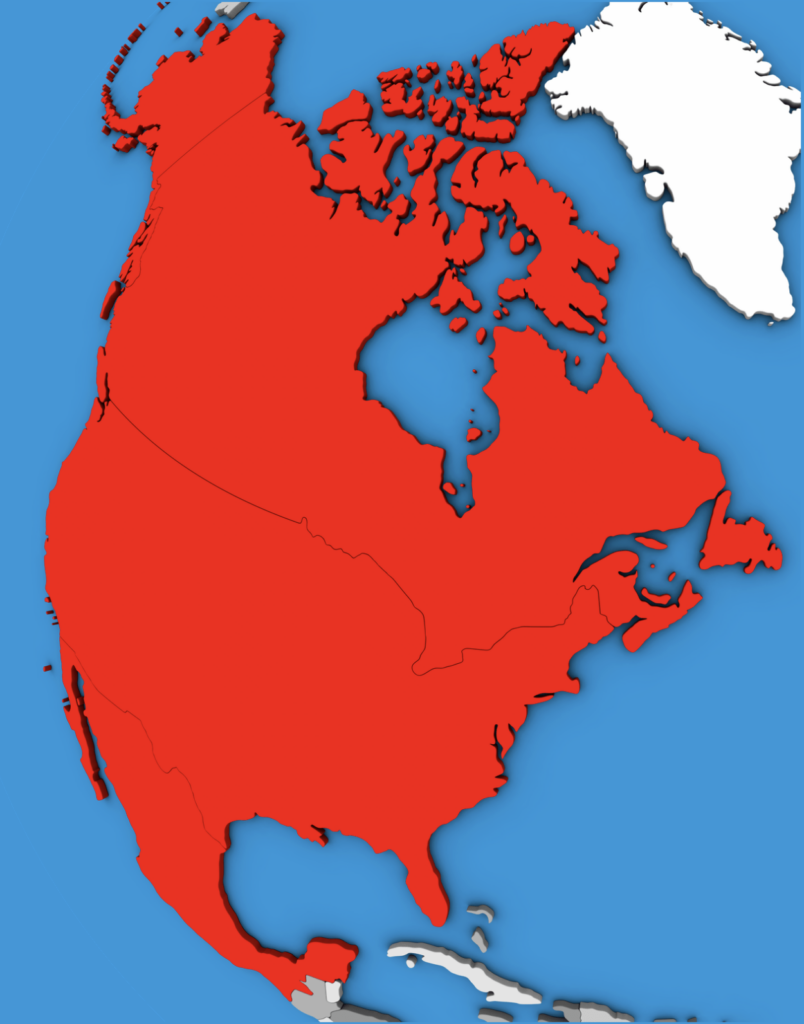
The USMCA, which replaced the North American Free Trade Agreement (NAFTA), officially entered into force on July 1, 2020. This agreement included a six-year review process, which began this July. At the start of the review, the three countries had several options:
- Extend the agreement for another 16 years
- Allow it to expire
- Move into annual reviews while keeping the agreement in effect
Canada and Mexico have indicated that they would prefer to extend the agreement as-is for another 16 years. The Trump administration, however, has pushed for a broader review and suggested changes to the agreement. As of now, formal negotiations are still ongoing while the agreement remains in effect.
Why Should Manufacturers Care About USMCA?
A lot of people in our industry hear “USMCA” and immediately think about automotive manufacturing. There’s a good reason for that: automotive rules of origin are one of the biggest issues being discussed.
But USMCA covers a much broader portion of the North American economy. Approximately $2 trillion in trade takes place between the three countries under this agreement.
Potential changes could affect:
- Steel, aluminum, copper, and other metals
- Consumer electronics
- Rules of origin
- Chinese investment in Mexico
- Cross-border supply chains
- Tariffs and duties
USMCA could have a major impact on your business, including the materials you purchase, the suppliers you work with, and the competition you face.
What the U.S. Is Bringing to the Negotiation Table
Tighter Rules of Origin Requirements
One of the biggest issues in the negotiations involves rules of origin, which determine how much of a product must originate within North America to receive preferential treatment under USMCA.
The United States has proposed increasing the North American content requirement for automobiles from 75% to 82%, with at least half of that qualifying content coming from the United States. There is also discussion around expanding similar requirements to other industries, including consumer electronics.
Stricter Material Requirements
The U.S. is seeking tighter requirements around where metals are melted, cast, and processed. The ultimate goal is to prevent materials produced outside North America from being processed in Mexico and Canada and then entering the U.S. under USMCA preferences.
The three countries are also considering greater alignment of their tariff policies toward imports of steel and aluminum from outside North America.
These changes could affect both material costs and sourcing decisions for our members.
Addressing Chinese Investment in Mexico
U.S. manufacturers have traditionally competed with Chinese companies located thousands of miles away. Increasingly, however, Chinese companies are establishing manufacturing operations in Mexico and potentially using Chinese materials, equipment, financing, and other resources to manufacture products closer to the U.S. market.
That’s why the Trump administration is working to address these investments and transshipment, in which products manufactured in one country are routed through another to conceal their true origin and avoid tariffs. The major concern here is that Chinese-backed production could increasingly compete directly within the North American market.
What Can Manufacturers Do?
You don’t need to predict how negotiations will end, but you may consider where your business could be affected. We encourage you to consider the following:
- Where do your materials come from?
- Which materials could be subject to tariffs?
- How dependent are you on suppliers in Canada or Mexico?
- Do you have alternatives if trade policies change?
- Could changes affect your customers or their sourcing strategies?
It’s beneficial to your business to understand your supply chain exposure so you have options if the rules change. As always, don’t hesitate to connect with your NTMA community to stay informed and learn how your peers are navigating potential changes.