
Spend enough time around manufacturing professionals and you’ll hear the same concern repeated over and over again: “I’m having trouble finding skilled workers.” It’s a valid concern, as the industry continues to face workforce shortages and many experienced professionals are approaching retirement age.
But while plenty of shops are focusing their efforts on bringing new people through the front door, many overlook the workforce they already have. And, in our experience and observations, the manufacturing companies that are most effectively navigating workforce challenges are the ones that understand that recruiting and upskilling should happen simultaneously.
Why Upskilling Is More Important Than Ever
What makes today unique is that workforce shortages are happening during one of the biggest technology shifts our industry has seen in decades.
On one hand, experienced employees are leaving the workforce. On the other, digital systems and increasingly sophisticated equipment are changing how work gets done. It’s clear that shops need more people, and they need people with new skills.
Upskilling Improves Quality of Work, Not Quantity
Have you ever mentioned upskilling to a team member only for them to show resistance? There’s a chance they have the wrong impression about what it entails; they may assume the added training will lead to more responsibilities piled on top of their current work.
That’s not what true upskilling looks like. Real upskilling creates opportunities and provides team members with the tools and knowledge to grow within the organization. It allows them to work smarter, not harder, and with greater impact. And when done correctly, it creates career pathways that mutually benefit employees and companies.
Don’t Just Focus on the Shop Floor
Machinists and programmers are critical team members, but they aren’t the only positions affected by change. Upskilling should happen from the front door to the back door.
Technology is changing every area of our industry. Customer service teams are leveraging automation to accelerate email outreach. Sales teams can use and view data more effectively thanks to advanced software solutions. Quoting teams can detect design risks instantly. Management teams can make better strategic decisions through ERP systems and other digital tools.
Every person in the organization has the opportunity to make a major impact, not just the people on the shop floor.
Small, Consistent Training Creates Impactful Results
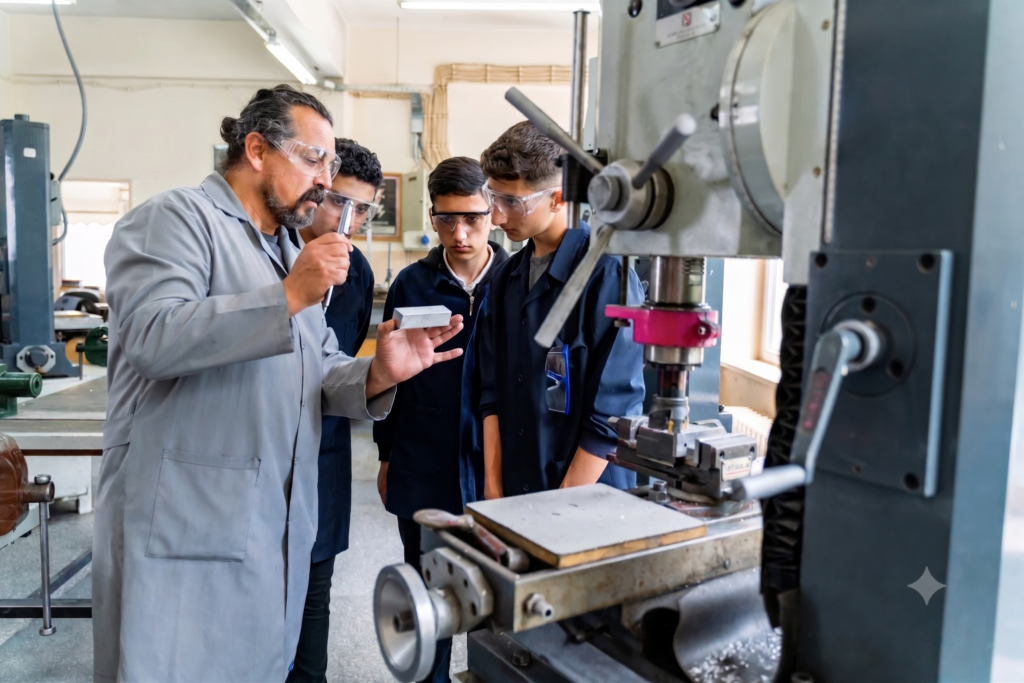
At NTMA, we’ve found that the most effective upskilling initiatives don’t involve overnight changes, but small steps that build into something bigger.
Here are some practical ways to begin:
Cross-Train Employees
Cross-training helps employees develop new skills and understand different areas of the business, making them overall more well-rounded and flexible team members.
Encourage Mentorship
Experienced professionals have decades of tribal knowledge that shouldn’t go away when they retire or leave. Pair veteran employees with newer team members so they can learn the ropes from someone who’s been with the business for the long haul.
Create Clear Career Paths
Employees are more likely to stay at a company when they see opportunities for advancement. Make sure you show them what growth looks like and how they can achieve it within your organization.
Invest in Leadership Development
Strong future leaders can come from all areas of your business, not just the front offices. Develop leadership skills in your people, from the customer-facing professionals to the individuals making things happen behind the scenes. That way, team members are prepared and empowered when these opportunities arise.
Leverage Workforce Solutions Through Your Manufacturing Network
The difficulty of searching for the right skilled talent isn’t going away anytime soon. But the companies that focus on developing the people they already have instead of only searching for new talent will be better prepared and positioned to navigate the workforce challenges of today and tomorrow.
Looking for ways to develop your workforce? Check out NTMA’s training resources and apprenticeship programs. And be sure to make the most of your membership, staying connected with your community of manufacturers that’s committed to helping each other grow.