
When it comes to manufacturing advocacy, there’s rarely been a more exciting update for our members than this: On July 4, 2025, a sweeping new tax law, dubbed the One Big Beautiful Bill, was signed into law. This legislation is packed with provisions that directly benefit manufacturers, from modern CNC machine shops to family-owned precision operations.
We sat down with Omar Nashashibi, founder of Inside Beltway and a long-time NTMA advocacy resource, to break down the bill’s impact.
Tax Cuts, and Their Potential to Fuel Manufacturing Growth
Before diving into the details associated with the 2025 bill, let’s back up to Trump’s 2017 tax bill. The Tax Cuts and Jobs Act permanently lowered the corporate tax rate and introduced temporary tax cuts for individuals and pass-through businesses (like LLCs and S Corps).
Unlike this previous act, the One Big Beautiful Bill is centered around investment in domestic production. Several provisions are specifically designed to influence how companies spend on capital equipment, workforce training, facility expansion, and more. While the 2017 bill made some waves in our industry, this new law is focused on boosting American manufacturing, among other sectors.
Key Provisions That May Impact Your Shop
R&D and Equipment Investment
One of the most significant changes is the reinstatement and permanence of the R&D expensing provision. Since 2022, businesses have been required to amortize their R&D costs over five years. That requirement has now been removed, allowing once again for immediate expensing.
Bonus depreciation is also now permanent. For manufacturing decision-makers, this change offers clarity when considering capital expenditures in their machine shop business plan. Given that CNC machines can cost well into six figures, this provision could be meaningful in managing investments.
Section 179 small business expensing has been doubled, from $1.25 million to $2.5 million. For small to midsize businesses in the machining industry, this may offer additional flexibility in purchasing tooling and equipment.
Facility Expansion Incentives
The law also introduces a provision that allows for depreciation of manufacturing production facilities, provided construction begins by 2029 and the facility is placed into service by 2032. This applies to areas where manufacturing activities occur, excluding office and warehouse space.
Workforce and Education
Several updates focus on workforce development, an area of growing importance in manufacturing advocacy initiatives. The law now permits the use of 529 education savings plans for registered apprenticeships and industry-recognized credentials.
Additionally, Section 127 of the tax code was made permanent, allowing employers to contribute up to $5,250 annually toward an employee’s student loan repayment, without that amount counting as taxable income. This could serve as a recruitment tool for machine shop owners looking to attract and retain top talent.
Estate Tax and Succession Planning
Family-owned machine shops may be impacted by estate tax changes included in the bill. The new law increases the exemption to $15 million per individual (or $30 million per couple), indexed for inflation. This adds a layer of certainty for business owners navigating succession and other long-term planning.
New Overtime Deduction
A new temporary deduction applies to qualified overtime pay received from 2025 through 2028. Specifically, the “half” portion of time-and-a-half compensation may be deductible under certain conditions. According to IRS guidance, this is intended to reduce concerns about employees being pushed into higher tax brackets. However, implementation details are still being clarified on this particular deduction.
Lean into Your Manufacturing Advocacy Resources

This law introduces a number of provisions that affect business owners in our industry, and understanding them is the first step for manufacturers making strategic decisions.
As always, NTMA’s advocacy team remains focused on representing the interests of our members on Capitol Hill. From tax policy to workforce issues, our goal is to ensure that the voices of small and midsize manufacturers are part of the national conversation.
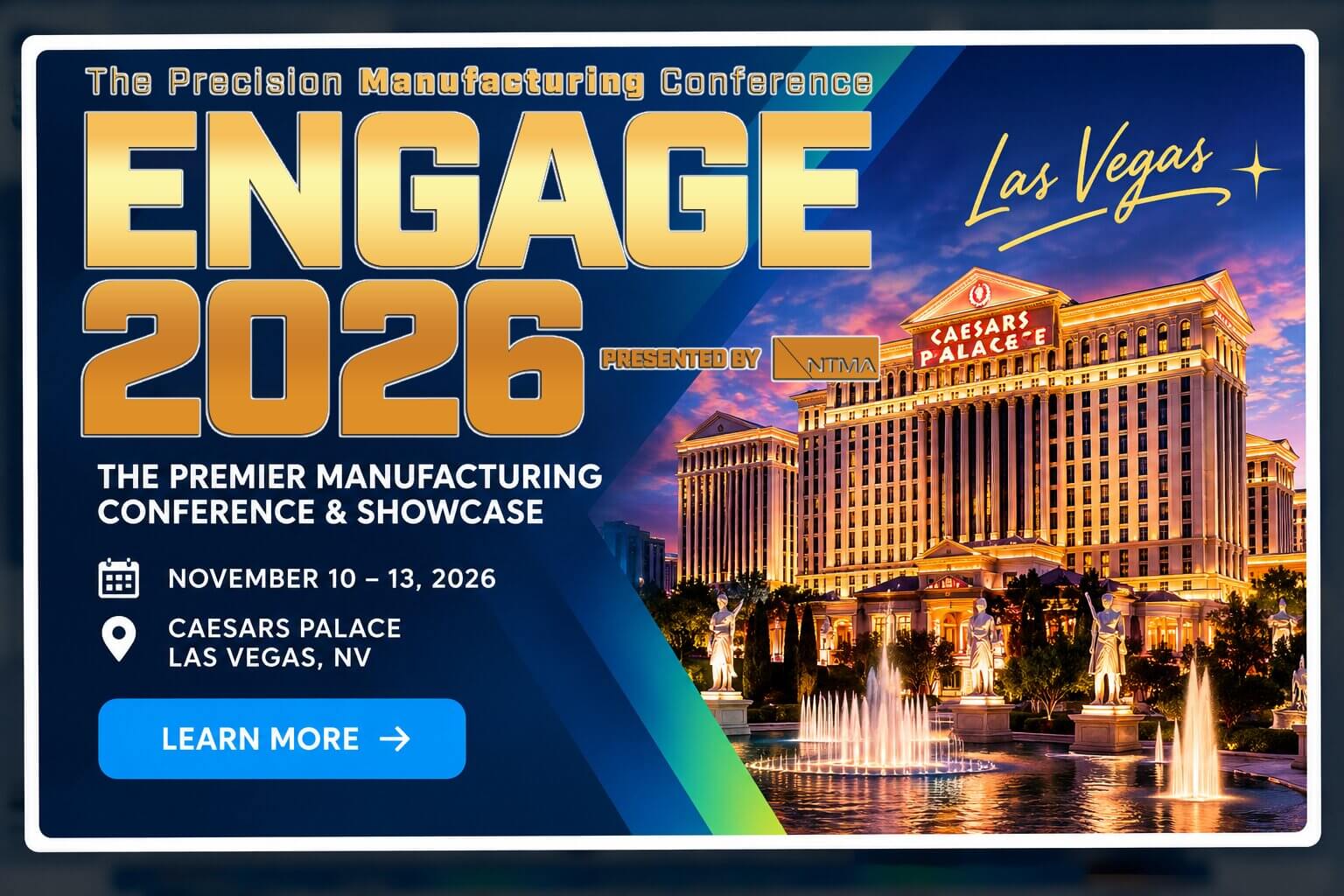
Join the conversation at Engage 2025!
To dive deeper into these changes, join us at our Engage conference from October 7-10 in Detroit, Michigan. During our keynote session, Omar and Caitlin Sickles will provide an overview of the latest updates in manufacturing news, regulation, workforce development, and tax policy. It’s a chance to hear how Washington is shaping the future of manufacturing, and what that means for you.
If you haven’t registered yet, there’s still time! We look forward to connecting and continuing the conversation.